





Inventory Management Systems
NetSuite Inventory Management provides a single, real-time view of inventory across all sales channels — warehouses, retail stores, pop-up shops, drop shippers, 3PLs or any other place where you manage or stock inventory — allowing businesses to reduce inventory on hand to free up cash while avoiding stockouts. By optimizing inventory levels and ensuring product availability across multiple channels, NetSuite Inventory Management helps businesses keep inventory costs low while exceeding customer expectations.


-
Product Overview
-
Key Strengths
-
Key Features
-
Related Cases
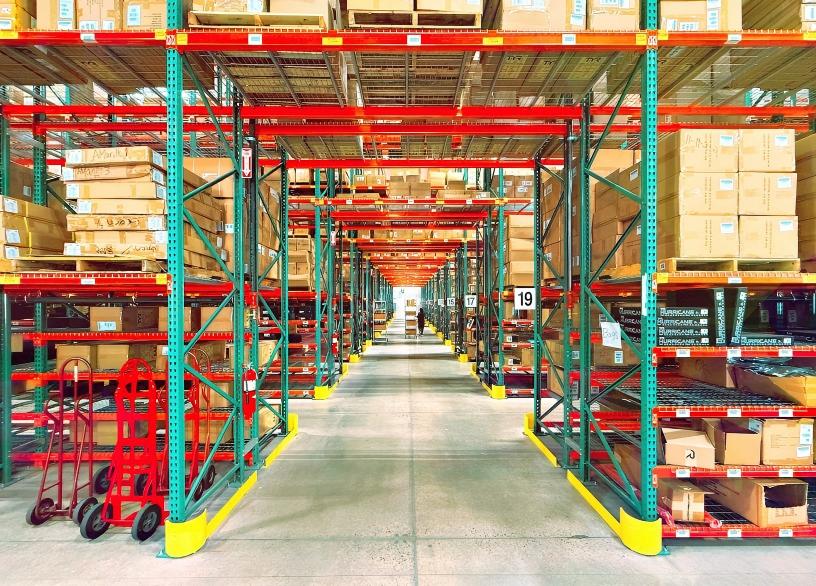
Automate the management of your inventory. Keep inventory costs low while meeting customer delivery expectations. NetSuite delivers tools for tracking inventory in multiple locations, determining reorder points, managing replenishment and optimizing safety stock.

-
Optimize inventory levels
Demand-based planning using historical demand, sales forecasts and seasonality ensures you have the right amount of stock.
-
Boost profitability
Managing inventory is more efficient and cost-effective with company-wide inventory visibility.
-
Decrease cost of goods sold
Intelligent fulfillment minimizes handling expenses and reduces shipping costs.
-
AI-powered reporting
Make data-driven decisions, improve profitability and operational efficiency while reducing errors and administrative overhead.
-
Multi-location fulfillment
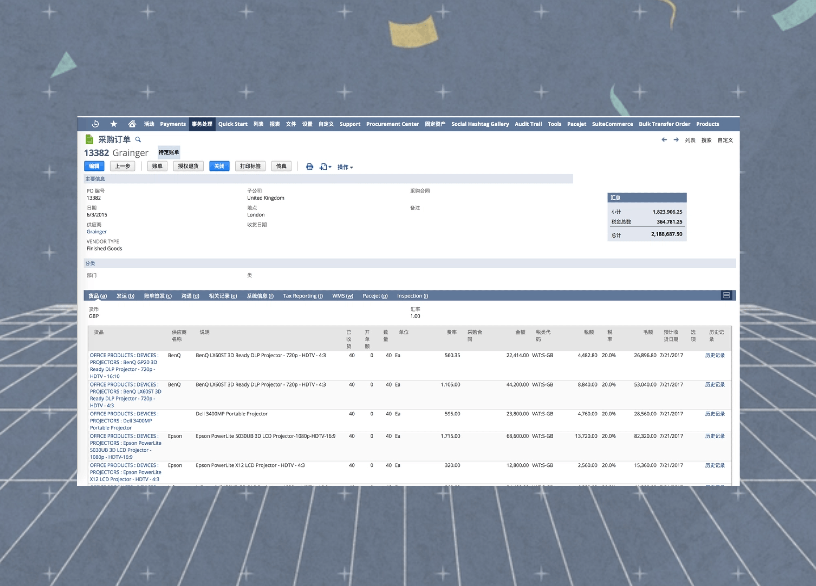
NetSuite Inventory Management gives you the ability to predefine fulfillment rules to eliminate multiple shipments for a single order and avoid excess shipping charges.
-
Replenishment
Fluctuations in demand, seasonality, supply chain logistics and a product’s natural life cycle must be accounted for to ensure sufficient stock on hand. Using demand-based replenishment, NetSuite Inventory Management uses historical and seasonal sales data, average lead time and number of inventory days’ of supply to dynamically manage item reorder points and maintain preferred stock levels. NetSuite automatically generates tasks and alerts and sends them to the purchasing manager.
-
Cycle counting
NetSuite Smart Count is an inventory cycle counting solution that enables organizations to improve the efficiency and accuracy of inventory management by automating inventory counts without freezing transactions in the entire location. The inventory level used for the count is taken at the time the count starts for each individual item. Smart Count keeps track of transactions that happen for the items being counted, and if there is any activity during the count, NetSuite automatically alerts counters so they can react appropriately. Preferences allow administrators to choose what happens if the on-hand quantity changes for an item during the count process. The entire cycle counting process can be done on a mobile device, saving time and increasing accuracy.
-
Traceability
NetSuite Inventory Management lets you back and forward trace inventory using lot and serial tracing. Lot-numbered items track the quantity and specific cost for each lot as products are purchased and produced. Serializing inventory allows you to choose a specific item when you fulfill an order. Together, lot and serial numbers let you define fulfillment strategies (such as first expiring, first out) , minimizing waste and ensuring inventory is used in the most efficient way.
-
Item visibility
The Item 360 Dashboard brings together all relevant information related to an item in a single, centralized location. By putting all the information a user could need on any item in one place inventory planning and management become easier to do. Item 360 goes beyond the basics to show information like user-selected KPls, inventory count by location and projected stock levels, with alerts for anticipated shortages or overstocks.
-
Consignment inventory
Efficiently manage inventory that is owned by vendors but stored at the organization’s facility or warehouse, minimizing inventory risk and improving cash flow. NetSuite vendor consignment allows users full visibility to track and manage vendor-owned inventory within the warehouse. Because stock is owned by the vendor, it reduces the businesses financial exposure and inventory risk by shifting responsibility for obsolescence, shrinkage, and unsold stock to the vendor. And, because payment for inventory is deferred until inventory is actually sold it significantly improves cash flow.
-
Narrative insights
AI generated narratives utilize data from existing inventory reports to provide contextual summaries for users based on the page/screen they are in. The narrative uses information across multiple reports to provide a concise summary of information, which is automatically presented to users when they navigate to predefined pages, including the Location page, the Item Details page and the User Dashboard.
Related Cases


-


Shokz
Help Shokz to achieve globalisation/group control and smooth operation of omni-channel integration
Learn More

-

POP MART
Helping POP MART to realise overseas multi-subsidiary, online/offline omni-channel integrated operation
Learn More
-
52TOYS
Helping 52TOYS achieve rapid expansion of its overseas business and systematic operation of dealer management.
Learn More