


Global E-Commerce
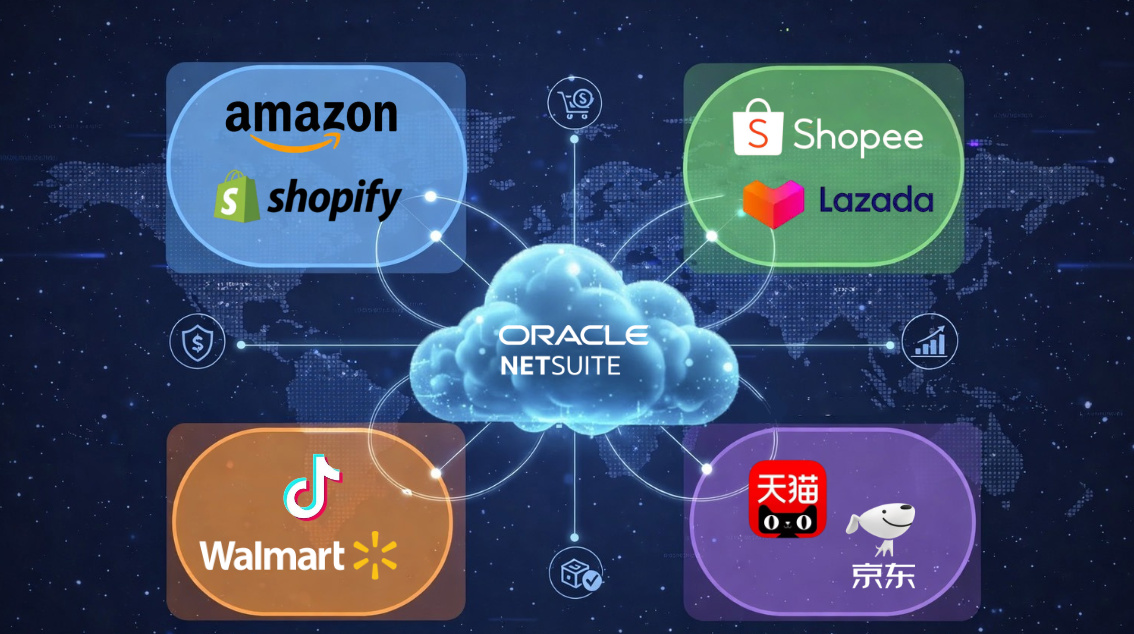
Integration with global e-commerce platforms and overseas warehouses to support VC/SC, enabling refined supply chain and e-commerce finance management; integration with China’s major platforms and DTC sites, including agency operations and influencer programs.
Trends
1. A trend of multi-mode parallel development: overseas third-party e-commerce platforms + self-built sites + B2B platforms;
2. High operating costs of FBA, and rapid development of Amazon FBM and VC models;
3. Brands vigorously expand self-built site channels and private domain traffic, and gradually take control of the dominance of e-commerce operation and development;
4. In-depth promotion of foreign brands on major domestic e-commerce platforms.

Key Challenges
Diverse operating models among e-commerce platforms, the Amoeba management model, and the demand for refined SKU profit analysis.


-

Diverse operating models among e-commerce platforms, the Amoeba management model, and the demand for refined SKU profit analysis.
E-commerce operation processes vary across different models (replenishment, order capturing, delivery, billing, returns, removals). Amazon alone has SC (FBA and FBM) and VC (DF/PO/DI).
-

Long and complex supply chain processes
Such as sales forecasting, supply chain planning, VMI collaboration, first-leg management, warehousing and shelving, etc.;
-

Requirements for refined e-commerce financial management
Estimation and allocation of first-leg expenses; integration and allocation of various fees from platforms and warehousing services; integration of platform bills and payment platform revenue, with demands for subsequent automatic categorized bookkeeping and batch reconciliation & write-off.

Solutions
Hitpoint has developed Microlink, a lightweight e-commerce mini-middle platform, which can easily integrate with various cross-border e-commerce platforms, overseas warehouses, and global payment tools.
1. Integration with major e-commerce platforms both at home and abroad, and integrated management of e-commerce order fulfillment, after-sales return and exchange processes;
2. Closed-loop management of e-commerce order accounts receivable and automated reconciliation & write-off;
3. Refined processing of various fees in e-commerce platform bills;
4. Closed-loop integration with a large number of commonly used overseas third-party warehouses;
5. Management of e-commerce global supply chain replenishment planning, logistics shipment tracking and warehousing & shelving management;
6. Full-group cost allocation and real-time SKU profit analysis for e-commerce.
Related Cases
-


Yotrio Group
Helping Yotrio's cross-border e-commerce operation automation and overall solution landing
Learn More

-

CrossBorder
Oracle NetSuite Helps CrossBorder Improve Efficiency Capabilities to Support Future Growth
Learn More
-

PACIFIC
Helping PACIFIC's Global Tax Compliance
Learn More
-

UREVO
Helping UREVO automate Amzon's three VC business models
Learn More
-

Danshui Trading
Assist Danshui Trading in the automation of cross-border e-commerce operations and the implementation of integrated solutions.
Learn More
-

Huaqing Technology
Oracle NetSuite Full Stack Enables Huaqing Technology to Expand Overseas Circle
Learn More
Latest News
-

 2026/09/24
[Product Updates] An Analysis of the Oracle NetSuite SuiteScript 2.1 Migration Path: From Inventory to Migration – Preparing for 2028.2
Learn More
-
 2026/09/10
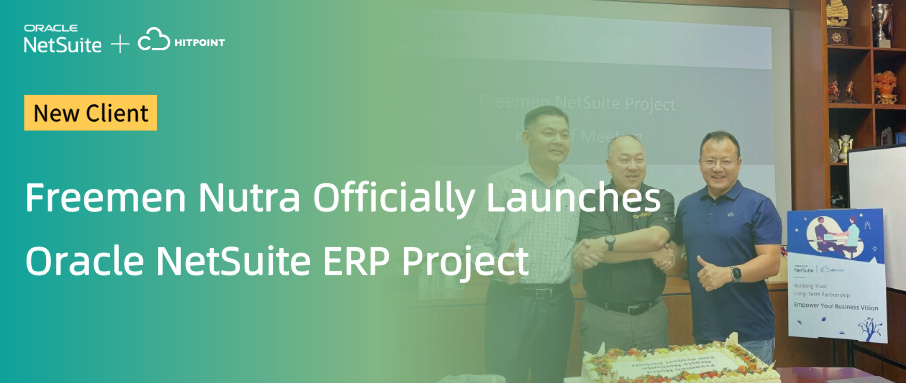
[New Client Update | Freemen Nutra] Oracle NetSuite × Hitpoint Cloud empowers a life sciences company to upgrade its digital management
Learn More
-
 2026/08/27
[Cloud Solutions Spotlight]As Chinese enterprises expand overseas, this marks the ‘year of establishing a foothold’;why has AI-native ERP become a must-have?
Learn More